A First Matinee: Make Room for the Interval
A first matinee feels calmer when you arrive with time to settle and use the interval to reset your attention, not race through a crowded foyer.
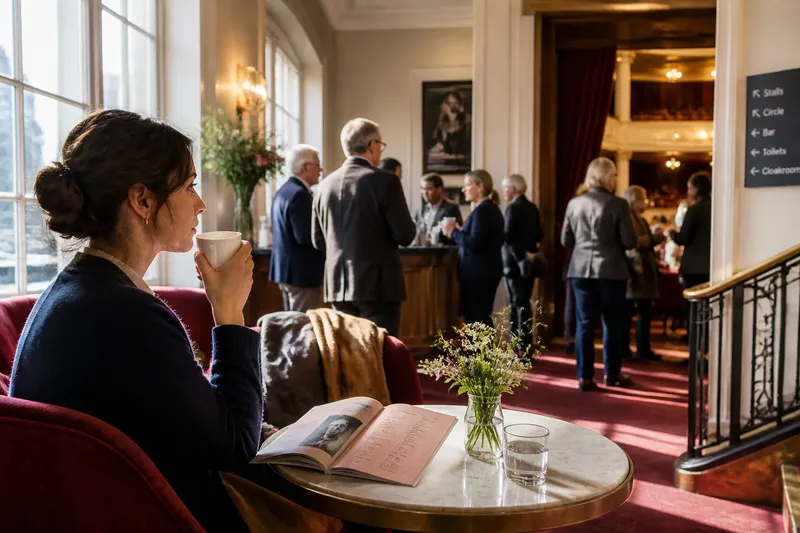
How do you make a first matinee feel manageable, especially when the performance and interval are new to you? Treat the matinee as a rhythm, not a race: arrive with time to orient yourself, then use the interval to rest and return to the play with your attention refreshed.
A matinee is an afternoon performance, but its earlier start changes the practical shape of the visit. You may be coming straight from lunch, traveling in daylight, or planning what to do after the show. The interval sits at the center of that rhythm. If you spend it trying to complete every possible errand, you can miss the chance to pause and let the first part of the play settle.
Arrive before the rush
Build a little breathing room into your arrival rather than aiming to reach your seat at the last moment. Check the ticket for the performance time, venue entrance and any access details. If you are using public transit, allow for a route change or a short walk from the stop. The aim is not to arrive so early that you become bored; it is to have enough time to find the right door, put away your coat and get comfortable without hurrying.
At the venue, look for the box office or ticket desk, toilets, cloakroom if there is one, and the route to your seating section. A theatre may have several doors, staircases or foyer levels. Ask an usher if the signs are unclear. Staff can also explain whether late entry is possible and where to wait if you need assistance. Once you know the route back to your seat, you will not need to solve it while the audience is returning after the interval.
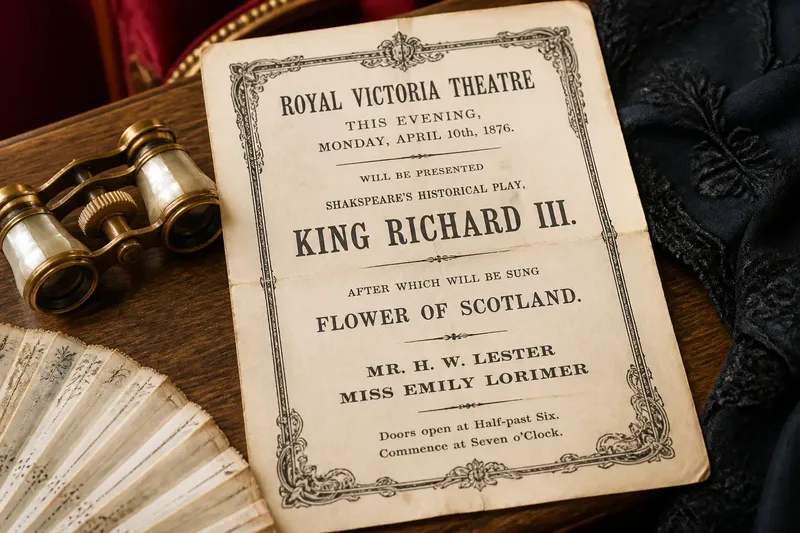
Give your attention a moment to shift from travel to performance. Silence your phone, finish food or drink where the venue permits, and settle anything that might distract you. You do not need to read every piece of available material. A brief look at the playbill or programme can tell you the cast and basic running order; save close reading for after the show if you would rather meet the play without extra context.
Choose a comfortable routine
Before the performance begins, decide what would make the interval useful for you. You might want a drink, a toilet visit, a quiet seat, or simply a few minutes without conversation. Choosing one or two priorities is usually more helpful than trying to do everything. A crowded foyer can make a short break feel busy, so keep your plan flexible and notice what you actually need once the lights come up.
If you are meeting someone, agree on a simple meeting point before the show. “By the main bar” may be vague in a large venue; a particular entrance or a distinctive sign is easier to find. If either of you prefers not to talk immediately, say so in advance. The interval is a break from the performance, not an obligation to review it on the spot.
It is not worth spending the interval trying to decode every symbol, line or staging choice you noticed. Hold onto one question or image instead. That gives your mind something to return to without turning the pause into homework.
Let the interval reset you
The interval separates the parts of a performance, but it does not require you to solve the story before it resumes. A useful reset can be simple: stand, stretch gently if comfortable, drink some water, and let your eyes rest from the stage. If the room is noisy, a quieter corner may help. If you are enjoying a conversation, keep an ear on the announcement or bell so you can return without a scramble.
Notice what you are carrying into the break. Perhaps a character’s decision has changed how you understand an earlier scene, or a pause in the action has left you uncertain. You can keep that thought open rather than settle it. Plays often use the break between sections to shift time, place or emphasis; returning with a question can make that change easier to notice.
Imagine you arrive at a small theatre after a direct bus ride, with enough time to find the entrance, use the restroom and read the cast list. During the interval, you realize you are more interested in a repeated silence than in discussing the plot. You step away from the busiest part of the foyer, take a drink and keep that observation in mind. The expected result is not a particular interpretation; it is a calmer return, with attention available for what the second part actually does.
Return without rushing
Leave time to get back to your seat before the performance resumes. Foyers can become crowded as people queue for refreshments or return from the toilets. Keep your ticket handy if it is needed for re-entry, and follow the venue’s signs or staff directions. If you are seated in the middle of a row, returning early can spare you and other audience members a difficult passage through the seats.
When you sit down, take a brief moment to settle again. Put away anything you brought into the auditorium, check that your phone remains silent, and let the room’s change in sound and light signal the return. You do not need to reconstruct every thought from the first part. A single detail—the last image you remember, a question about a character, or a shift in the stage’s atmosphere—is enough to reconnect.
If you need help with access, seating, hearing support or other arrangements, contact the venue before the visit where possible. The available options and procedures vary by theatre, so follow the venue’s information and staff guidance.
Matinee questions?
How early should I arrive for a matinee?
Allow enough time to find the entrance, locate your section and settle without hurrying. The right buffer depends on your route and the venue, so check your ticket and travel plan rather than relying on a fixed arrival rule.
What should I do during the interval?
Choose the break that would help most: a restroom visit, a drink, a short stretch or a quiet pause. Keep your plan light enough to adjust if the foyer is busy or you feel differently once you leave the auditorium.
Can I leave the theatre during the interval?
Some venues allow audience members to step outside, while others have entry or re-entry procedures. Ask an usher or check the venue’s instructions before leaving, and return with time to reach your seat.
What if I do not understand the first part?
You can return with an open question rather than trying to resolve every detail during the break. Listen for what changes in the next section, and let the performance supply more information at its own pace.
Keep the afternoon open
Plan the journey home, but avoid packing the rest of the afternoon so tightly that you have to leave the theatre in a hurry. A few uncommitted minutes after the performance can give you time to find your way out and decide whether you want to talk about the play. If you are meeting someone or catching transport, agree on the practical details ahead of time rather than settling them while the audience is dispersing.
A first matinee does not need a complicated routine. Arrive with room to orient yourself, choose a modest interval plan and return before the room fills again. The interval becomes more than a gap in the schedule: it is a chance to clear away the journey, keep one thought from the first part and give the next part your attention.